 420 Love Street, Doha City
 +(234) 9164601810
 info@dohahomesandproperty.com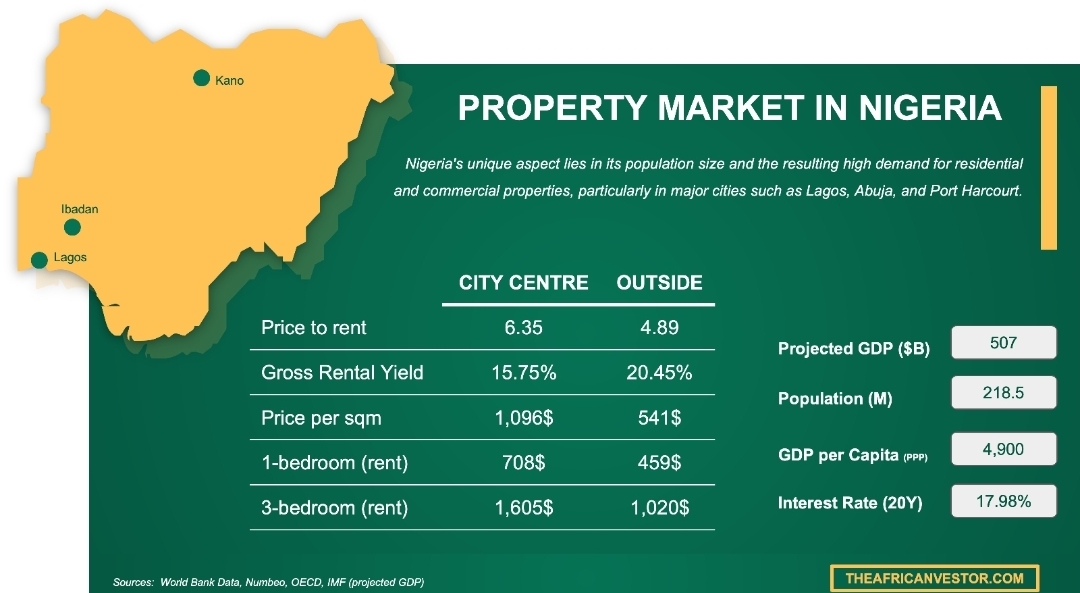
 By Nura Mustapha Ali
 Jan 09, 2026
Real estate in Nigeria has emerged as a powerful tool for wealth creation, supported by urban growth, rising housing demand, and increasing investor interest.
Nigeria’s fast-growing population and expanding cities have placed real estate at the center of economic activity. Urban centers such as Lagos and Abuja continue to attract people seeking better employment and living standards. This migration has intensified demand for residential properties, ranging from affordable housing to luxury apartments and gated communities.
Property investment in Nigeria offers multiple income streams, including capital appreciation and rental yields. Strategic locations near business districts, transport corridors, and social amenities often experience rapid value growth. Areas like Lekki, Ibeju-Lekki, and parts of Abuja have become popular among investors due to ongoing infrastructure projects and long-term development plans.
Despite its strong potential, the market faces notable challenges. Land acquisition processes can be complex, and inadequate infrastructure in some locations affects property value. Additionally, limited mortgage accessibility makes home ownership difficult for many Nigerians. Nevertheless, private developers and financial institutions are increasingly introducing flexible payment structures and rent-to-own models to bridge this gap.
In the long term, Nigeria’s real estate sector is poised for sustained growth. Government focus on housing delivery, improved urban planning, and private sector innovation will continue to shape the market. For individuals and businesses looking to build wealth, real estate remains one of the most reliable and rewarding investment options in Nigeria.