 420 Love Street, Doha City
 +(234) 9164601810
 info@dohahomesandproperty.com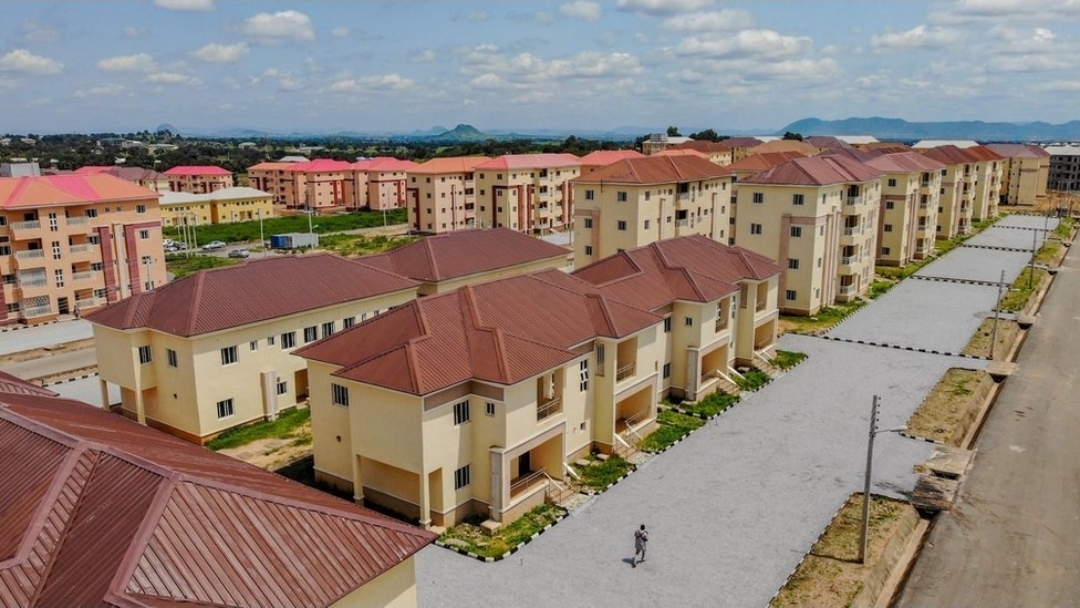
 By Nura Mustapha Ali
 Jan 09, 2026
Nigeria’s real estate sector continues to evolve, offering diverse investment opportunities despite structural and economic challenges in the housing market.
Real estate plays a critical role in Nigeria’s economic development, contributing to employment, infrastructure growth, and urban transformation. Rapid population growth and rural-to-urban migration have increased demand for housing, especially in metropolitan areas like Lagos, Abuja, and Port Harcourt. This demand has pushed developers to explore innovative housing solutions across different income levels.

One of the most attractive aspects of Nigerian real estate is its investment potential. Land banking, off-plan developments, and rental properties continue to deliver strong returns when properly managed. High-demand corridors such as Lekki-Epe in Lagos and emerging districts in Abuja have recorded consistent property appreciation, making them appealing to both first-time buyers and seasoned investors.
However, the sector is not without challenges. Issues such as land title disputes, regulatory inconsistencies, and limited access to affordable mortgage financing can slow development. Additionally, construction costs remain high due to material imports and fluctuating exchange rates. These factors have encouraged developers to seek alternative building technologies and collaborate with government agencies to reduce costs and improve efficiency.

Looking ahead, the future of real estate in Nigeria is promising. Increased focus on affordable housing, infrastructure development, and digitization of land records is expected to strengthen investor confidence. As policies improve and urban planning becomes more structured, Nigeria’s real estate market is positioned to deliver sustainable growth and long-term value for stakeholders.